As families grow and lifestyles change, many UK homeowners find themselves needing extra space. Whether it’s a home office, hobby room, or an extra living area, the challenge is deciding how to expand without the stress and expense of moving house.
Two of the most popular options today are garden buildings and home conversions. Each has its own advantages, and the right choice often depends on how much space you already have, and how you plan to use it.
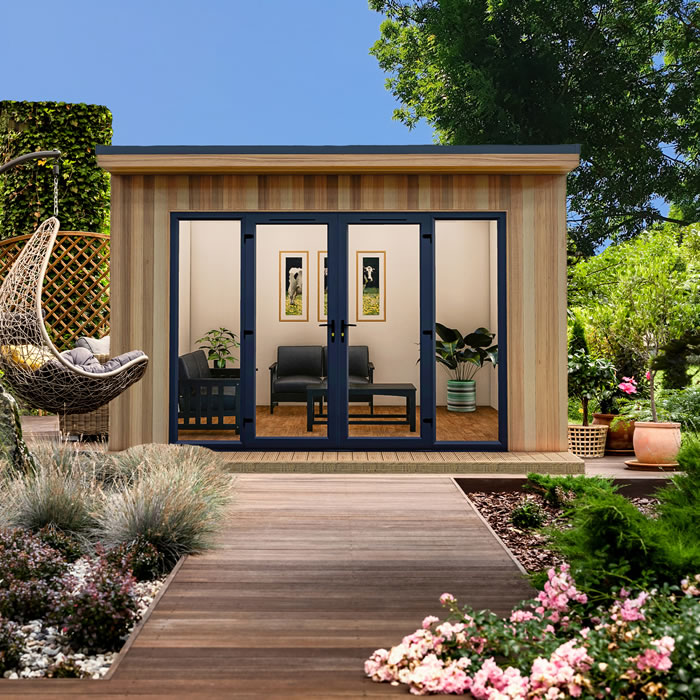
The Appeal of Garden Rooms and Sheds
Garden rooms have become increasingly popular in recent years, especially for homeowners looking to make better use of their outdoor space. Modern sheds and garden buildings are no longer just for storage, they can be insulated, electrified, and finished to a standard suitable for year-round use.
Some of the key benefits include:
- Minimal disruption compared to major building work
- Faster installation times
- Ideal separation between work and home life
- Flexible use as offices, studios, or gyms
For properties with generous garden space, this can be one of the most practical ways to add usable square footage.
When Garden Space Is Already Maxed Out
However, not every home has the luxury of spare outdoor space. In built-up areas or terraced properties, gardens are often small or already in full use. In these cases, homeowners need to look inward rather than outward.
That’s where internal space optimisation comes into play — making better use of areas that are currently underused or overlooked.
Looking Up: Making Use of Your Roof Space
For homeowners who’ve already maximised their garden space, converting unused attic areas can also be an effective way to gain extra living space. Professional loft conversion specialists such can help assess whether a roof space is suitable for conversion.
A well-designed loft conversion can create:
- Additional bedrooms
- Home offices
- Guest rooms
- Quiet living areas away from the main floor
Because the structure already exists, loft conversions are often more space-efficient than extending outward, particularly in urban or suburban settings.
Garden Building or Loft Conversion: Which Is Right for You?
There’s no one-size-fits-all answer, but asking the right questions can help:
Choose a garden room if:
- You have sufficient garden space
- You want a standalone workspace
- You need minimal planning involvement
- You prefer quicker installation
Consider a loft conversion if:
- Your garden space is limited
- You need permanent internal living space
- You want to add long-term property value
- You already have suitable roof height
Some homeowners even combine both solutions over time, starting with a garden building and later converting internal space as needs evolve.
Planning and Long-Term Value
Both garden rooms and loft conversions can fall under permitted development, depending on design and location. However, regulations vary, and professional guidance is always recommended before starting any project.
From a resale perspective, permanent internal living space is often seen as a strong value booster, while high-quality garden rooms appeal to buyers looking for flexible work-from-home solutions.
Making the Most of the Space You Have
Ultimately, the best home improvements are the ones that fit your lifestyle, not just your property. Whether that means investing in a high-quality garden building or unlocking the potential above your ceiling, thoughtful planning ensures the space works for you now and in the future.
By exploring all available options, homeowners can create comfortable, functional spaces without the need for costly moves or unnecessary extensions.